
Here's where Japanese Yen is headed as Middle East conflict keeps Oil prices elevated
The Japanese Yen (JPY) continues to face intense pressure as global energy shocks and geopolitical tensions weigh heavily on Japan's economic outlook. The conflict in Iran and the closure of the Strait of Hormuz have kept fossil fuel prices elevated, severely impacting the resource-scarce nation's trade balance. Despite steady steps toward monetary policy normalization by the Bank of Japan (BoJ), widening interest rate differentials with Western central banks are expected to cap the Yen's near-term recovery.
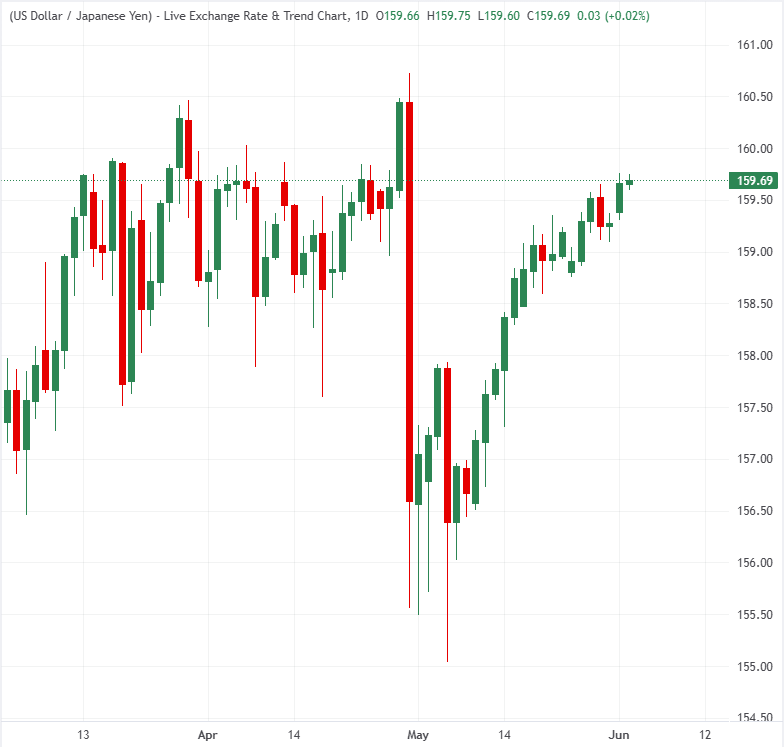
Geopolitical friction and elevated energy costs weigh on the Yen
Analysts at Commerzbank emphasize that the macroeconomic environment remains highly unfavorable for the Japanese currency over the short term. High Oil prices do not lift market expectations for the BoJ the same way they boost expectations for the Federal Reserve or the European Central Bank, which actively widens the interest rate gap to the Yen's disadvantage.
The Japanese yen will therefore continue to be weighed down by the situation in Iran in the coming months. As long as uncertainty persists regarding the long-term security architecture in the Middle East, prices for fossil fuels are likely to remain high, which will weigh on the Japanese economy’s foreign trade balance.
Growth slowdown persists despite gradual monetary normalization
Shifting the focus to domestic growth, BNP Paribas highlights that the Japanese economy is cooling due to these sustained energy headwinds. Even though the country’s central bank is projected to steadily raise interest rates through 2027 to manage persistent inflation that has overshot targets, economic output is taking a visible hit.
The energy shock is set to impact the strong momentum of the Japanese economy negatively.
Banks point toward a prolonged period of weakness for the Japanese Yen
The analysts anticipate a prolonged period of pressure and consolidation for the Japanese Yen before any structural recovery takes place. Commerzbank expects the Yen to remain heavily weighed down over the coming months, noting that a meaningful turn in the currency will depend on the resolution of the Middle East conflict and a subsequent drop in Oil prices. Concurrently, BNP Paribas projects that the currency will stabilize at a historically weak level around 160 against the US Dollar, as the negative drag of a domestic economic slowdown limits the supportive impact of the BoJ's gradual interest rate hikes.
(This article was created with the help of an Artificial Intelligence tool and reviewed by an editor.)